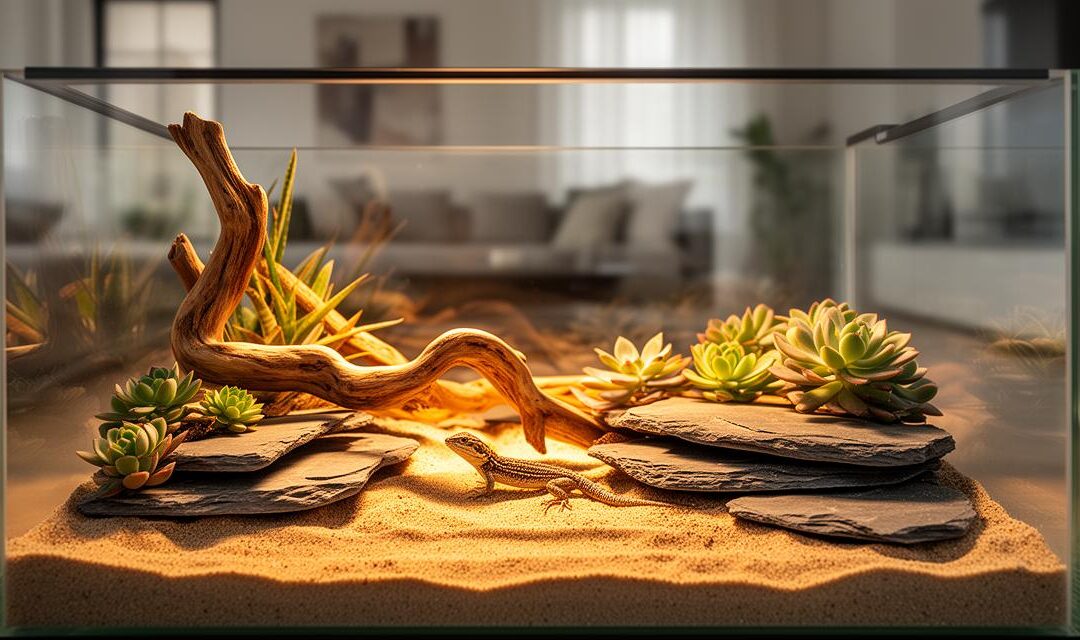
Creating a living ecosystem inside an enclosure transforms the experience of keeping reptiles, bringing the vibrancy and complexity of nature directly into your home. A bioactive terrarium mimics the natural environment of your lizard, relying on a carefully balanced system of plants, microorganisms, and substrate layers to maintain cleanliness and vitality. This approach not only reduces the burden of frequent cleaning but also enriches the life of your pet, encouraging natural behaviours and offering an aesthetically pleasing habitat that evolves over time. Whether you are a seasoned reptile enthusiast or embarking on your first venture into herpetology, understanding the fundamental principles of bioactive setups will empower you to design a thriving space tailored to your lizard's unique requirements.
- A bioactive terrarium replicates a natural ecosystem by utilizing plants, microorganisms, and substrate layers to maintain a clean and enriching environment for reptiles.
- The choice of enclosure size should be based on the lizard's adult dimensions, activity levels, and natural habitat requirements to ensure physical and psychological wellbeing.
- Glass enclosures provide superior humidity retention and visibility for tropical species, while plastic options are lighter, more affordable, and easier to customize.
- Establishing a thermal gradient is essential for ectothermic lizards, allowing them to regulate their body temperature for proper digestion and immune function.
- Proper lighting, typically between 5,000 and 6,500 Kelvin, is necessary to support both the reptile's circadian rhythms and the growth of live plants.
- Bioactive substrates serve as a foundation for plant life and house microfauna that process waste, reducing the need for frequent manual cleaning.
- The selection of substrate composition must be tailored to the specific humidity needs of the lizard species, whether they originate from arid or tropical environments.
Selecting the Perfect Terrarium: Size, Design, and Species Considerations
Determining the Appropriate Dimensions Based on Your Lizard Species
The foundation of a successful bioactive terrarium begins with selecting an enclosure that suits the specific needs of your lizard. Different species exhibit vastly different spatial requirements, activity levels, and environmental preferences. A bearded dragon, for instance, requires a significantly larger vivarium than a smaller gecko due to its size and active nature. Enclosures ranging from two feet to four feet in length are commonly available, with models such as the Vivexotic Repti-Home Vivarium offering spacious options that cater to larger reptiles. For geckos and similarly compact species, a smaller terrarium can provide ample room for movement, climbing, and exploration, provided the layout maximises vertical space and includes appropriate enrichment.
When evaluating size, consider not only the current dimensions of your lizard but also its adult size and activity patterns. A young chameleon may appear content in a modest enclosure, yet as it matures, the need for vertical climbing space and foliage becomes paramount. Similarly, tortoises and certain snake species benefit from horizontal space that allows for natural roaming and burrowing behaviours. Understanding your reptile's natural habitat and translating that into captive dimensions ensures the terrarium supports both physical health and psychological wellbeing.
Evaluating glass versus plastic enclosures for optimal functionality
Material choice plays a critical role in the long-term functionality and maintenance of your vivarium. Glass enclosures offer excellent visibility and retain humidity effectively, making them ideal for species that thrive in moist environments such as amphibians or tropical geckos. The clarity of glass also allows for better observation of your pet's behaviour and health, which is invaluable for monitoring subtle changes that may indicate illness or stress. Glass vivariums are typically more robust and easier to sterilise, though they can be heavier and more fragile during setup and transport.
Plastic terrariums, on the other hand, provide lightweight alternatives that are often more affordable and easier to modify or customise. They are less prone to shattering and can be advantageous for temporary setups or for keepers who frequently relocate their enclosures. However, plastic may not retain heat and humidity as effectively as glass, potentially requiring additional equipment to maintain stable conditions. When choosing between glass and plastic, weigh the specific environmental needs of your lizard against practical considerations such as budget, available space, and ease of maintenance. Many advanced keepers opt for glass vivariums from brands like ProRep and Vivexotic, which combine durability with precise climate control features tailored for reptile care.
Creating the Ideal Climate: Temperature, Humidity, and Bioactive Substrates
Maintaining proper temperature gradients for reptile health
Temperature regulation is among the most vital aspects of reptile husbandry, directly influencing digestion, immune function, and overall vitality. Reptiles are ectothermic, relying on external heat sources to regulate their body temperature, so establishing a thermal gradient within the terrarium is essential. This gradient allows your lizard to move between warmer basking zones and cooler retreats, mimicking the natural behaviour of seeking sun or shade in the wild. Proper vivarium lighting designed for reptiles, often in the range of five thousand to six thousand five hundred Kelvin, provides both illumination and warmth, supporting metabolic processes and enabling natural circadian rhythms.
The specific temperature requirements vary widely among species. Bearded dragons, for example, thrive with basking spots reaching up to forty degrees Celsius, while cooler areas should remain around twenty-five degrees. Geckos and chameleons may require slightly lower basking temperatures but still benefit from a gradient that facilitates thermoregulation. Monitoring equipment such as digital thermometers and thermostats ensures that these conditions remain stable, preventing the stress and health complications associated with temperature fluctuations. Integrating environmental controls into your bioactive setup not only safeguards your pet's wellbeing but also optimises the growth and health of live plants, creating a harmonious ecosystem.
Choosing Natural Bioactive Substrates for a Thriving Ecosystem
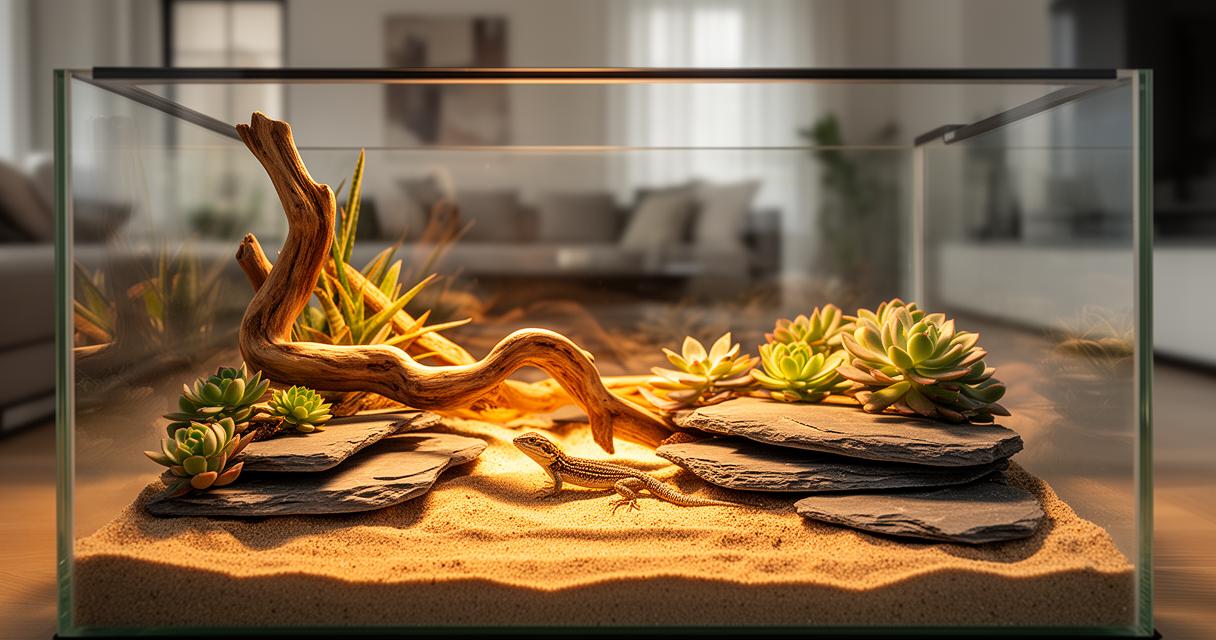
The substrate forms the living foundation of your bioactive terrarium, serving as both a medium for plant roots and a habitat for the clean-up crew of microfauna that recycles waste. Selecting the right substrate depends on your lizard's natural environment and moisture requirements. Species originating from arid regions, such as certain gecko varieties, benefit from sandy or loamy mixtures that allow for burrowing and retain minimal moisture. Conversely, reptiles from tropical or humid climates, including chameleons and some amphibians, thrive in substrates rich in organic matter, providing a spongy texture that retains moisture and supports lush plant growth.
A well-constructed bioactive substrate typically comprises multiple layers, beginning with a drainage layer at the base to prevent waterlogging and root rot. This layer, often made of clay balls or pebbles, allows excess water to drain away from the substrate proper, maintaining optimal moisture levels without creating stagnant pools. Above the drainage layer, a screen separator prevents substrate migration into the drainage zone, followed by the main substrate layer enriched with soil, coconut coir, or peat. Topping this with leaf litter adds natural decor while providing hiding spots and foraging opportunities for both your reptile and the clean-up crew. Products such as cork bark, driftwood, and moss further enhance the natural aesthetic and functional complexity of the habitat, offering climbing structures and microclimates that enrich your lizard's daily experience.
Essential Features and Ongoing Care for Long-Term Wellbeing
Installing water sources and monitoring humidity requirements
Adequate hydration and humidity are cornerstones of reptile health, influencing everything from shedding to respiratory function. Installing a reliable water source within the terrarium ensures your lizard has constant access to fresh drinking water, while also contributing to ambient humidity levels. Shallow dishes or integrated water features can serve this purpose, though care must be taken to prevent drowning hazards for smaller species. Misting systems or manual spraying routines further support humidity management, particularly for tropical species that require consistently high moisture levels to replicate their native environments.
Humidity control is a delicate balance, as excessive moisture can lead to mould growth and respiratory issues, while insufficient humidity may cause dehydration and shedding problems. Monitoring devices such as hygrometers provide real-time feedback, enabling adjustments to misting frequency or ventilation as needed. Live plants play a dual role in this regard, transpiring moisture into the air and absorbing excess humidity through their roots, thereby stabilising the microclimate. Species such as pothos, bromeliads, ferns, and sansevieria are popular choices for bioactive setups, thriving in the warm, humid conditions of a reptile enclosure while offering visual appeal and functional benefits. Selecting flora that matches the light and moisture profile of your terrarium ensures long-term plant health and a balanced ecosystem.
Tips for Maintaining Your Gecko or Leopard Lizard's Health and Habitat
Ongoing maintenance of a bioactive terrarium is surprisingly minimal once the system matures, yet certain routines are essential to prevent imbalances and ensure the wellbeing of your pet. Regular checks of temperature, humidity, and water quality form the backbone of daily care, while periodic inspections of substrate moisture and plant health help identify potential issues before they escalate. The clean-up crew, comprising isopods, springtails, and other microfauna, requires little intervention beyond occasional supplementation with leaf litter or decaying organic matter to sustain their population. Using only captive bred microfauna reduces the risk of introducing pathogens or parasites into the terrarium, safeguarding both your reptile and the ecosystem.
Feeding your lizard appropriately is another critical component of care, with live food such as crickets, mealworms, and locusts providing essential nutrition and stimulation. These feeders should be gut-loaded and dusted with supplements like calcium powder to address dietary deficiencies common in captivity. Observing your lizard's feeding behaviour, activity levels, and physical condition allows early detection of health issues, prompting timely veterinary intervention if necessary. Additionally, allowing a cycle period before introducing your reptile to a newly established bioactive terrarium gives plants and microfauna time to settle, creating a stable environment that supports natural behaviours and long-term health. With thoughtful planning and consistent care, a bioactive setup becomes a self-sustaining habitat that enriches the lives of both keeper and kept, transforming reptile husbandry into a rewarding journey of ecological stewardship.